Baseline verification
Compare firmware and other scoped platform settings with the approved baseline, capturing the configuration position and exceptions that could affect interpretation of the validation results.

Turn acceptance criteria into usable deployment evidence
Power-on is one event in a much larger acceptance decision. O-Connect plans and executes agreed checks across platform condition, hardware health and sustained workload behaviour, recording the results against the delivered configuration. The project gains a clear view of what passed, what needs attention and what the handover actually covers.
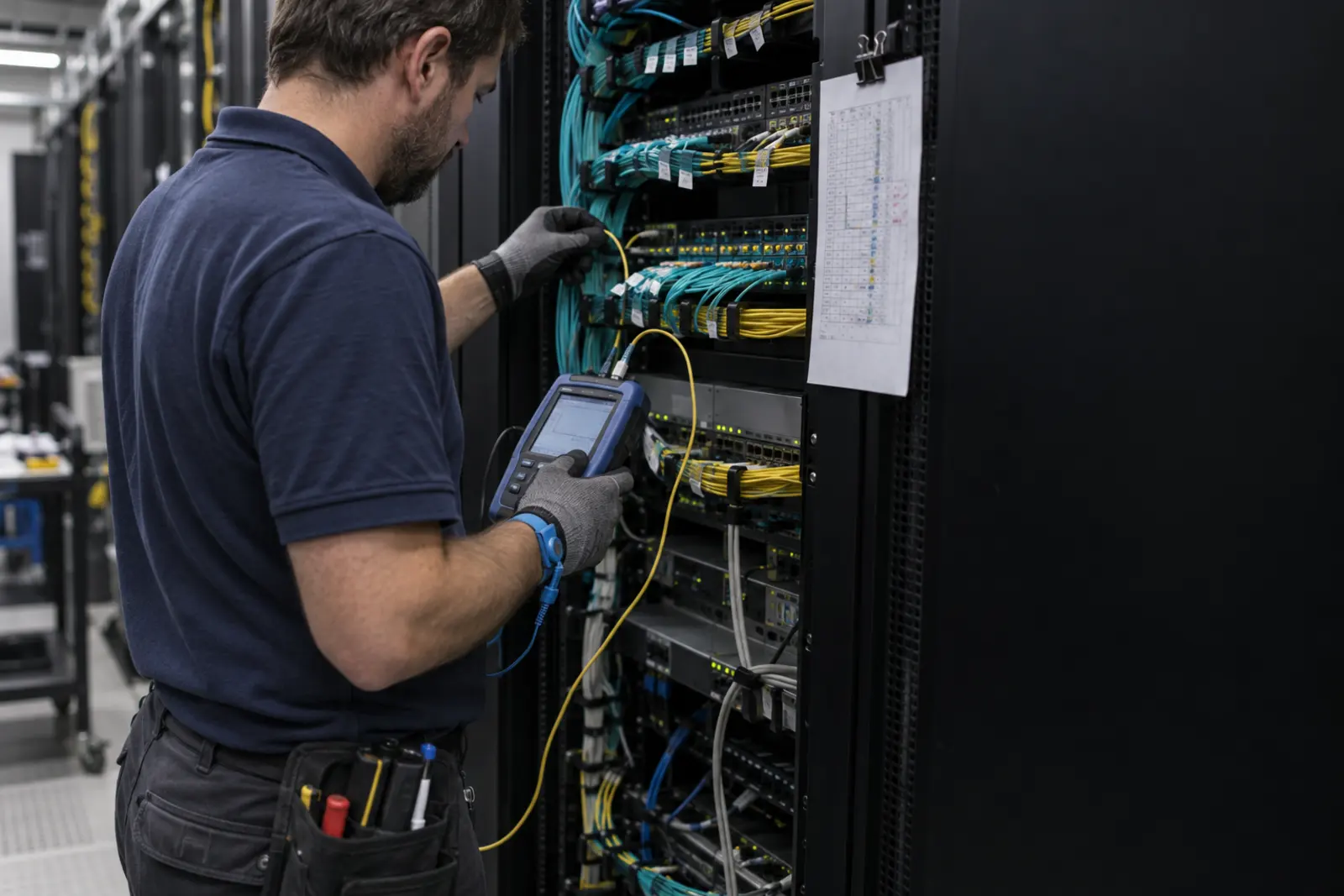
A useful validation plan begins with agreed criteria and a known configuration. The team identifies the systems in scope, approved baselines, test conditions and the people responsible for reviewing results. This makes the evidence meaningful to the project and avoids a handover built around disconnected screenshots or checks whose purpose was never established.
Execution combines the scoped firmware and health checks with thermal and workload observations appropriate to the approved environment. Findings are captured with enough context for the responsible owner to review them, and agreed retests are linked to the resulting changes. The final acceptance pack records both completed checks and the limits of the evidence collected.
Compare firmware and other scoped platform settings with the approved baseline, capturing the configuration position and exceptions that could affect interpretation of the validation results.
Complete the agreed hardware health checks across the systems in scope, recording findings in a form that supports review, issue ownership and planned follow-up work.
Execute the agreed burn-in activities under authorised conditions, capturing relevant thermal and workload observations with the configuration and context needed to assess the recorded results.
Assemble the test scope, results, issue position and supporting records, making completed checks, agreed exceptions and remaining acceptance decisions visible to the project and operations.
Define the systems, baselines, test activities and acceptance owners, confirming prerequisites and operating constraints before scheduling workload checks or any other validation activity in the environment.
Execute the agreed plan, capture results against the tested configuration and route findings to their owners, with any corrective work and retesting managed through the project.
Review completed evidence and open issues with the appointed owners, then prepare the acceptance pack so the handover decision reflects the actual scope and recorded results.
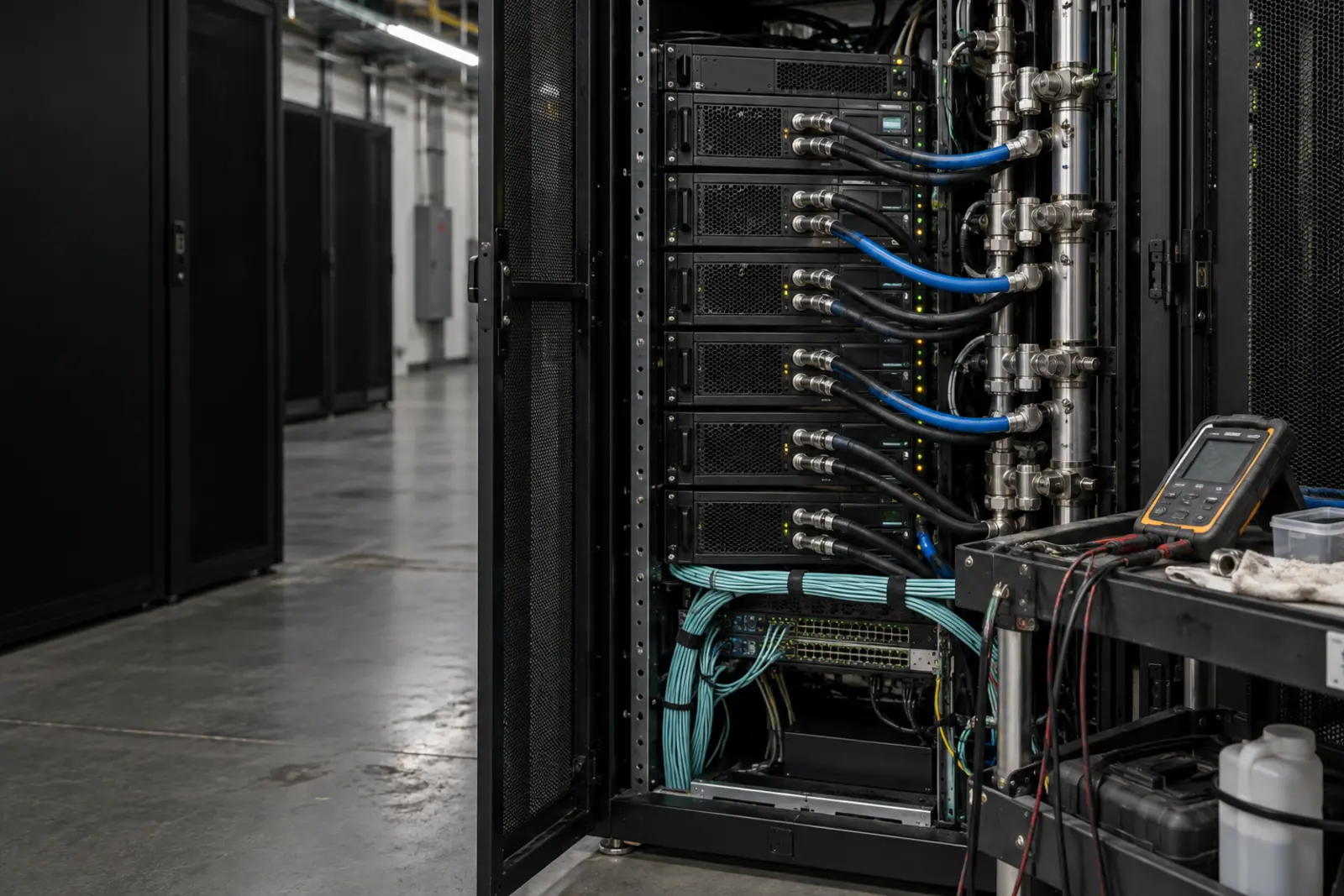
The project receives an acceptance pack tied to the deployed configuration and agreed test conditions. Results, exceptions and remaining decisions are easy to distinguish, giving technical and operational owners a shared basis for accepting the environment and understanding what further work, if any, remains.
Define your acceptance criteriaCriteria are agreed with the project and relevant technical owners around the approved design, intended use and systems in scope. The plan also records test conditions and evidence requirements, so each result can be assessed against an understood expectation.
The finding is recorded with its context and assigned for review by the responsible owner. Any corrective work follows the agreed change process, and retesting is scoped to the issue and its impact before the acceptance position is updated.
Burn-in provides evidence of behaviour during the agreed activities and test conditions. It supports acceptance and may reveal issues needing attention, but the results describe that tested position. Ongoing monitoring, maintenance and controlled change remain part of operating the environment.
Coordinate GPU nodes, fabric, storage and platform baselines through AI cluster deployment, with defined dependencies, health checks and acceptance evidence.
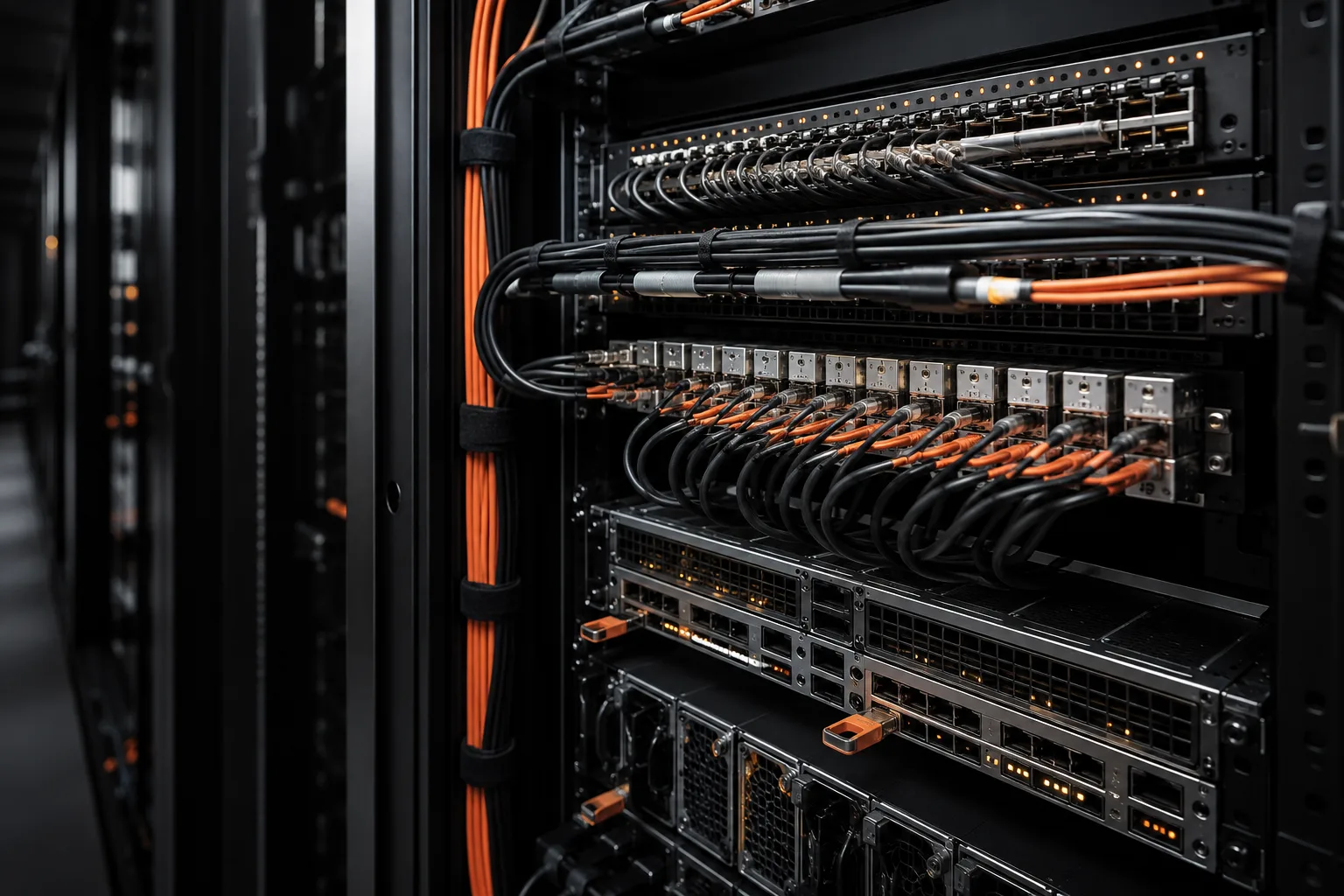
Implement the approved data center fabric across Ethernet or InfiniBand, management and storage paths, with port records and end-to-end verification.
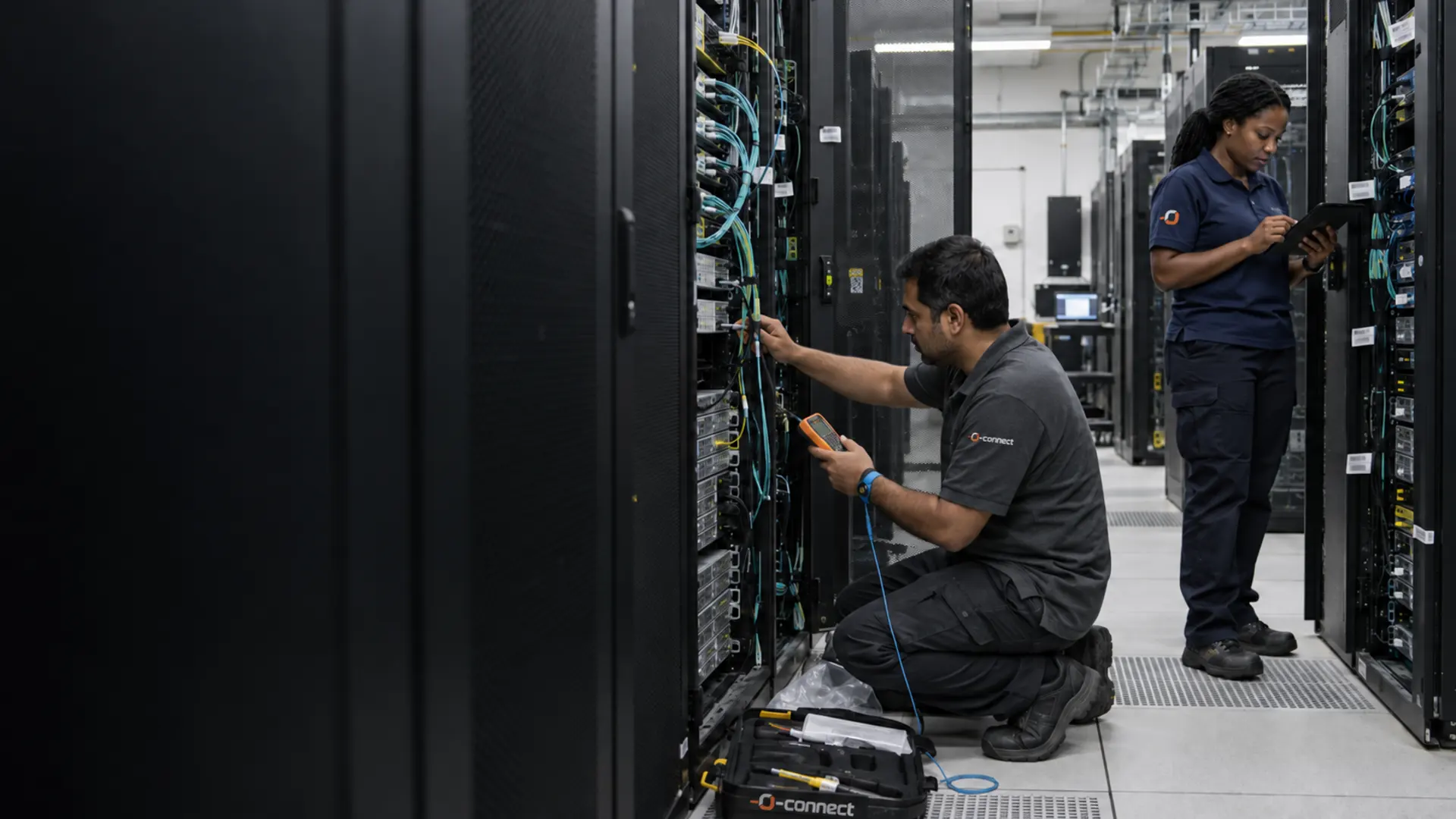
Coordinate field work across infrastructure support, capacity expansion, refresh and decommissioning, with controlled changes and current asset records.