GPU node integration
Integrate the scoped compute nodes into the approved rack and cluster arrangement, reconciling asset identity, management connectivity and the dependencies required for coordinated technical bring-up.

Bring the whole accelerated environment into service
An accelerated deployment depends on more than installed GPU servers. O-Connect coordinates the physical build, platform baselines, network fabric and storage interfaces around the approved cluster design. Each dependency has a place in the delivery sequence, and acceptance examines the connected environment before the project moves into production handover.
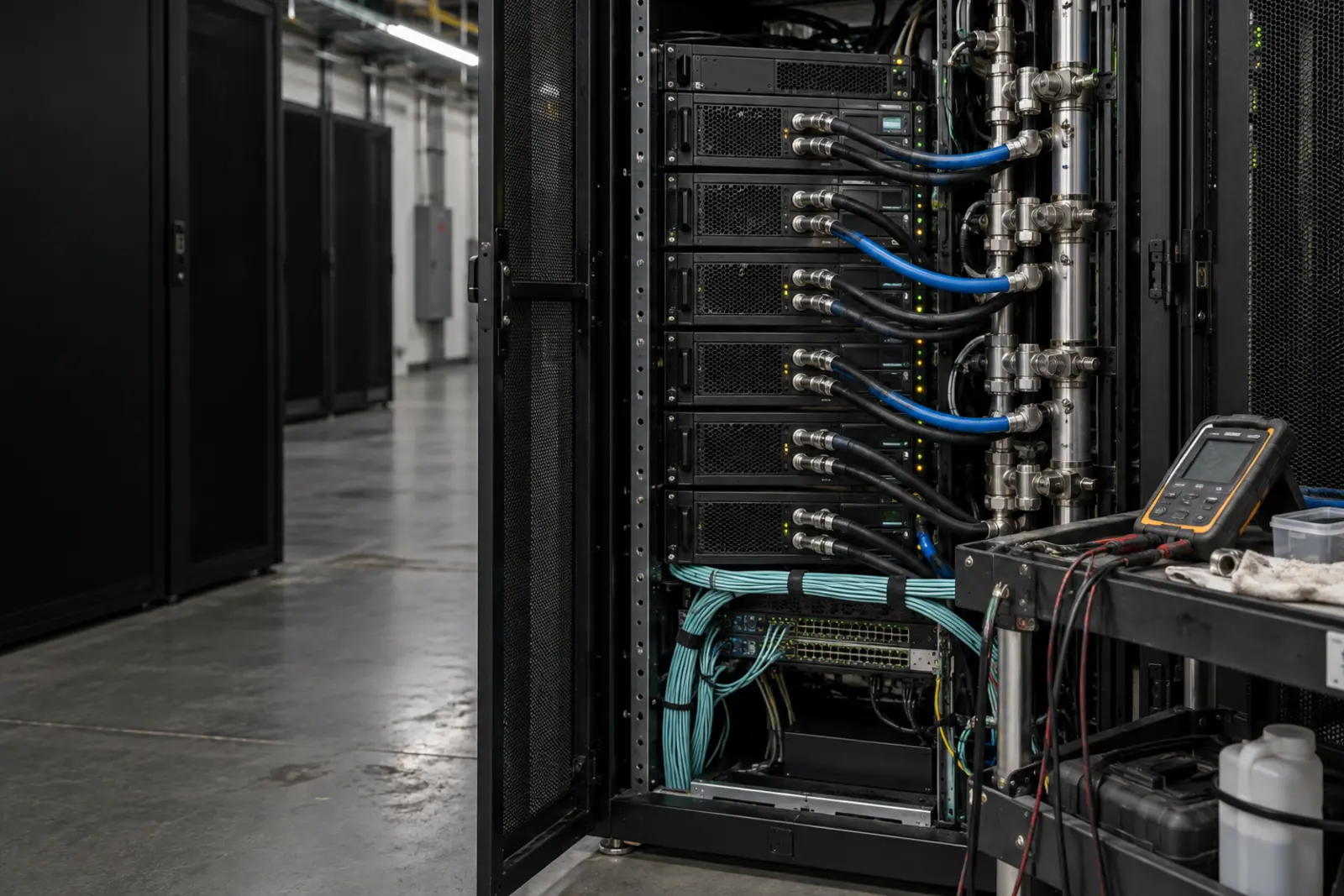
Dense compute brings facility and platform decisions into the same delivery conversation. The hardware profile, rack arrangement, cooling position and intended connectivity need to support the approved architecture before technical bring-up begins. O-Connect aligns these inputs with the relevant owners and establishes the order in which nodes, management paths, fabric and storage can be integrated.
A consistent baseline makes acceptance results easier to interpret. Firmware, BIOS and other scoped platform settings are checked against the agreed configuration, while cluster health and workload checks produce evidence tied to the installed environment. Findings are routed to the responsible party, and unresolved conditions remain visible in the handover rather than being hidden behind individual server completion.
Integrate the scoped compute nodes into the approved rack and cluster arrangement, reconciling asset identity, management connectivity and the dependencies required for coordinated technical bring-up.
Apply or verify agreed firmware and BIOS baselines within the authorised scope, recording versions, configuration position and exceptions that need platform-owner or vendor review.
Coordinate the compute, network and storage interfaces in the agreed sequence, tracking readiness and ownership wherever a separate team must supply or approve a dependency.
Run the agreed health and workload checks for the deployed configuration, assemble the results and record issues against the acceptance criteria established with the project.
Review the approved cluster architecture, platform baselines and facility position, then agree workstream ownership, test scope and the evidence needed for the production handover decision.
Sequence node integration, management access, fabric and storage readiness so each technical activity starts with the required inputs and a clear route for resolving exceptions.
Complete the agreed cluster checks, review results with the relevant owners and capture acceptance status, remaining issues and configuration records in the final handover package.
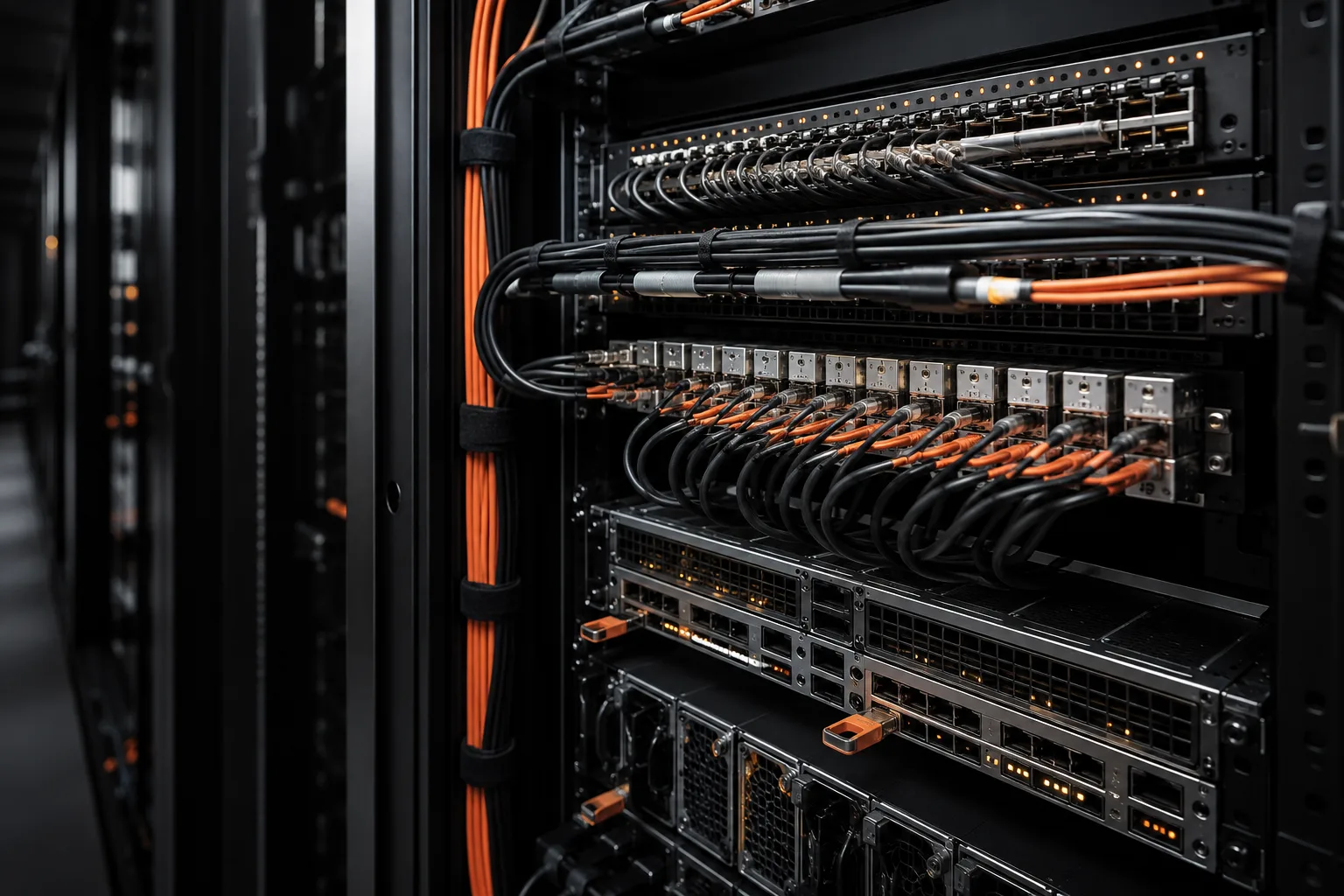
The project receives a coordinated deployment record across compute, fabric, storage and platform dependencies, supported by agreed health and workload evidence. The handover identifies the delivered baseline, the acceptance position and any remaining ownership, giving operations a practical starting point for supporting the accelerated environment.
Define your acceptance criteriaDeployment is built around the approved architecture and acceptance target. O-Connect coordinates execution across its interfaces, raising missing inputs or conflicting dependencies with the appointed owners. Architecture selection and material design changes should have a clear approval path within the project.
The required inputs depend on the design, but typically include an accepted physical build, confirmed facility dependencies, approved platform baselines and available management, fabric and storage paths. The delivery plan makes these prerequisites explicit before technical activities are scheduled.
Readiness is assessed against criteria agreed for the actual deployment. Evidence can include platform baseline checks, hardware health, fabric and storage verification, and workload observations. The results describe the tested configuration and conditions, alongside any issues that remain for owner review.
Connect GPU platforms, high-speed networking, storage paths and approved software baselines through an integration plan with shared acceptance evidence.
Align dense compute requirements with site power, cooling, rack layouts and logistics, with clear facility interfaces and documented readiness dependencies.
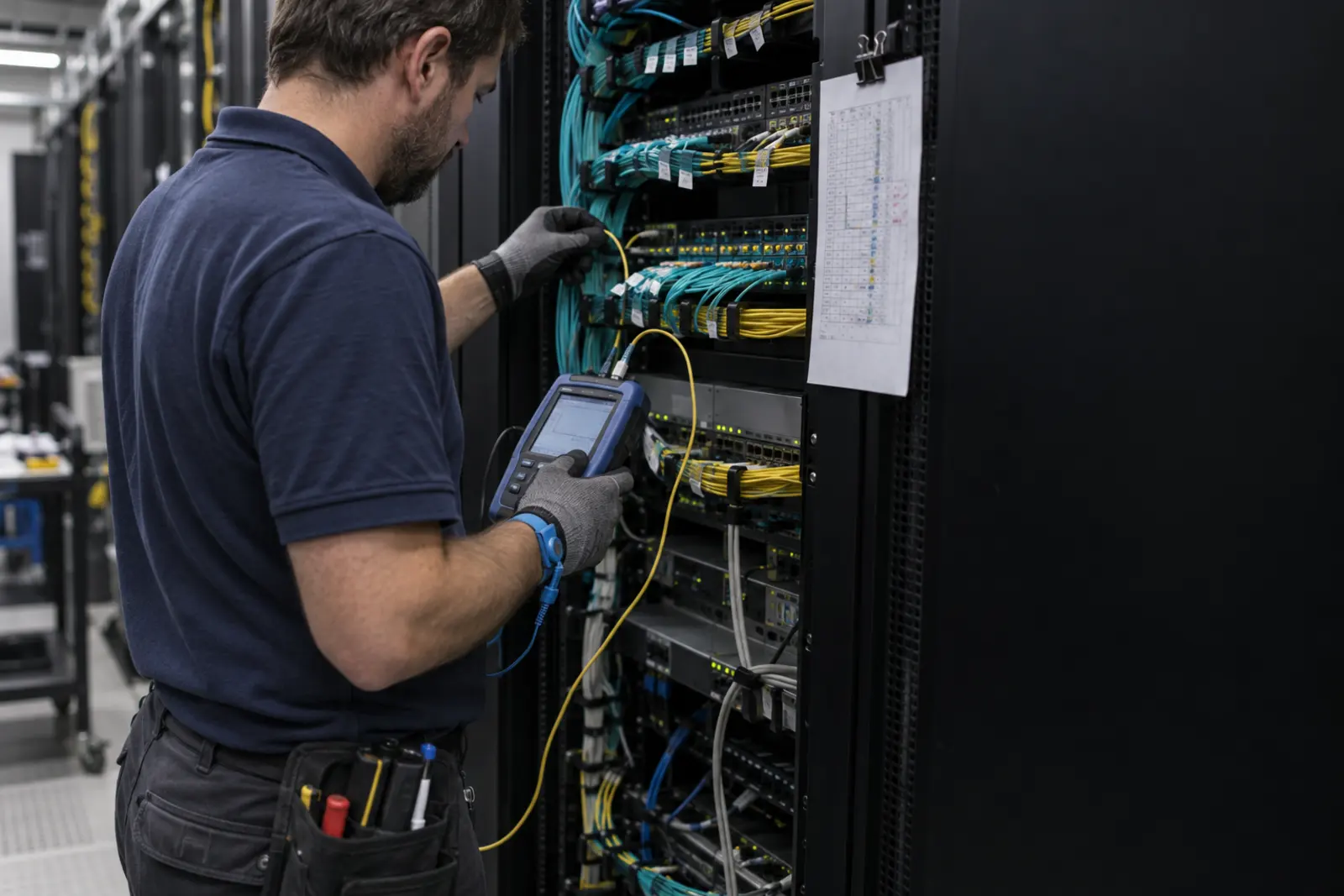
Build an evidence-based handover with agreed checks for firmware, hardware health, thermal behaviour and workloads across the deployed infrastructure.