Power and cooling review
Review the proposed equipment requirements against available site information, recording questions, constraints and facility-owner confirmations needed before the planned rack configuration can be accepted.

Know what is ready before hardware arrives
A delivery date only helps when the site can receive, position and support the equipment. O-Connect connects the approved hardware profile with the room, routes and utilities it depends on, turning readiness into a documented set of decisions before installation teams and equipment arrive at the same door.

Readiness starts with the intended build: equipment schedules, rack elevations, power and cooling requirements, and the route from goods-in to the final position. We review these inputs with the relevant site and technical owners, identify missing information, and record constraints that could affect delivery, staging, installation or the planned sequence of work.
The output connects observations to action. An access restriction needs an owner; a utility dependency needs a confirmed position; an unresolved layout issue needs a decision before equipment is placed. O-Connect makes those interfaces visible so the project team can decide what may proceed, what needs attention and what must wait for an agreed resolution.
Review the proposed equipment requirements against available site information, recording questions, constraints and facility-owner confirmations needed before the planned rack configuration can be accepted.
Check rack layouts, equipment elevations, access clearances and floor-loading information against the installation plan, referring design decisions to the responsible site or engineering owner.
Document the goods-in route, receiving arrangements, staging space and movement sequence so equipment handling fits the site's access rules and the agreed installation order.
Review intended network routes and document readiness findings with dependencies, owners and evidence references, giving each open item a clear path toward project review.
Collect the approved equipment profile, available site drawings and delivery assumptions, then agree the review boundaries and the people responsible for resolving each infrastructure interface.
Compare the planned deployment with the room, utilities, access and pathways, recording observed conditions separately from assumptions or information still awaiting confirmation from project owners.
Review findings with the delivery team, assign unresolved items and capture the readiness decision so mobilisation follows an understood set of conditions and dependencies.

The project receives a documented readiness position, an actionable dependency register and a clearer installation sequence. Delivery teams can see the conditions that support mobilisation, while site owners retain visibility of outstanding decisions that could affect equipment placement, utilities, access or the agreed schedule.
Define your acceptance criteriaBegin when the proposed hardware profile and site information are available, early enough to act on findings before delivery. The review can be refined as the design develops, with unresolved assumptions kept visible until the relevant owner confirms them.
Useful inputs include the equipment schedule, proposed rack elevations, power and cooling requirements, available room drawings, delivery dates and site access rules. O-Connect uses the initial scope discussion to identify which documents exist and where further owner input is needed.
The service coordinates deployment readiness against the approved design and available site evidence. Engineering approval, structural assessment and utility design decisions remain with the appropriately appointed owners; their confirmations become dependencies in the readiness record where they affect installation.

Turn delivered equipment into an installed, labelled environment with asset reconciliation, approved rack builds, cable installation and as-built records.
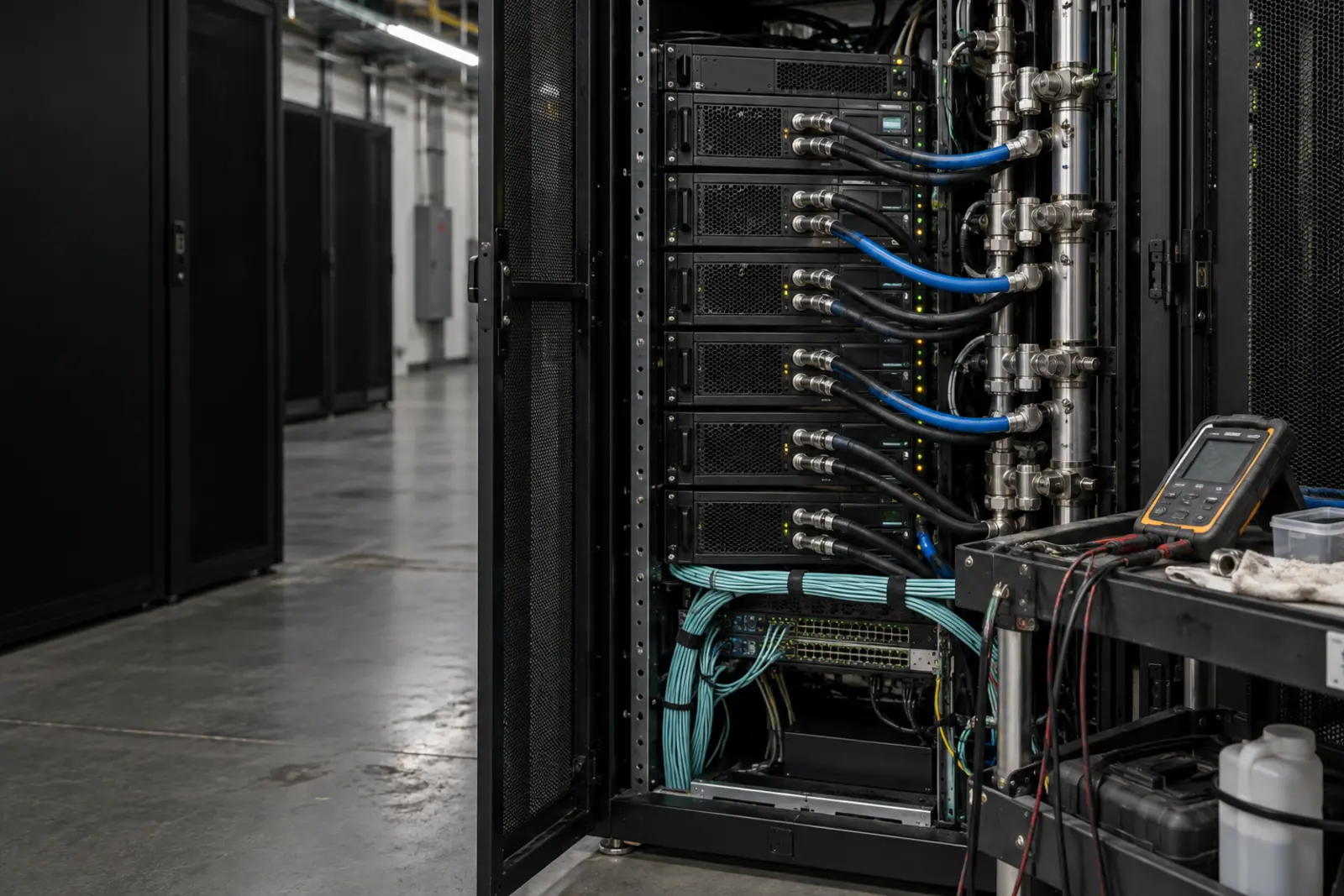
Align dense compute requirements with site power, cooling, rack layouts and logistics, with clear facility interfaces and documented readiness dependencies.
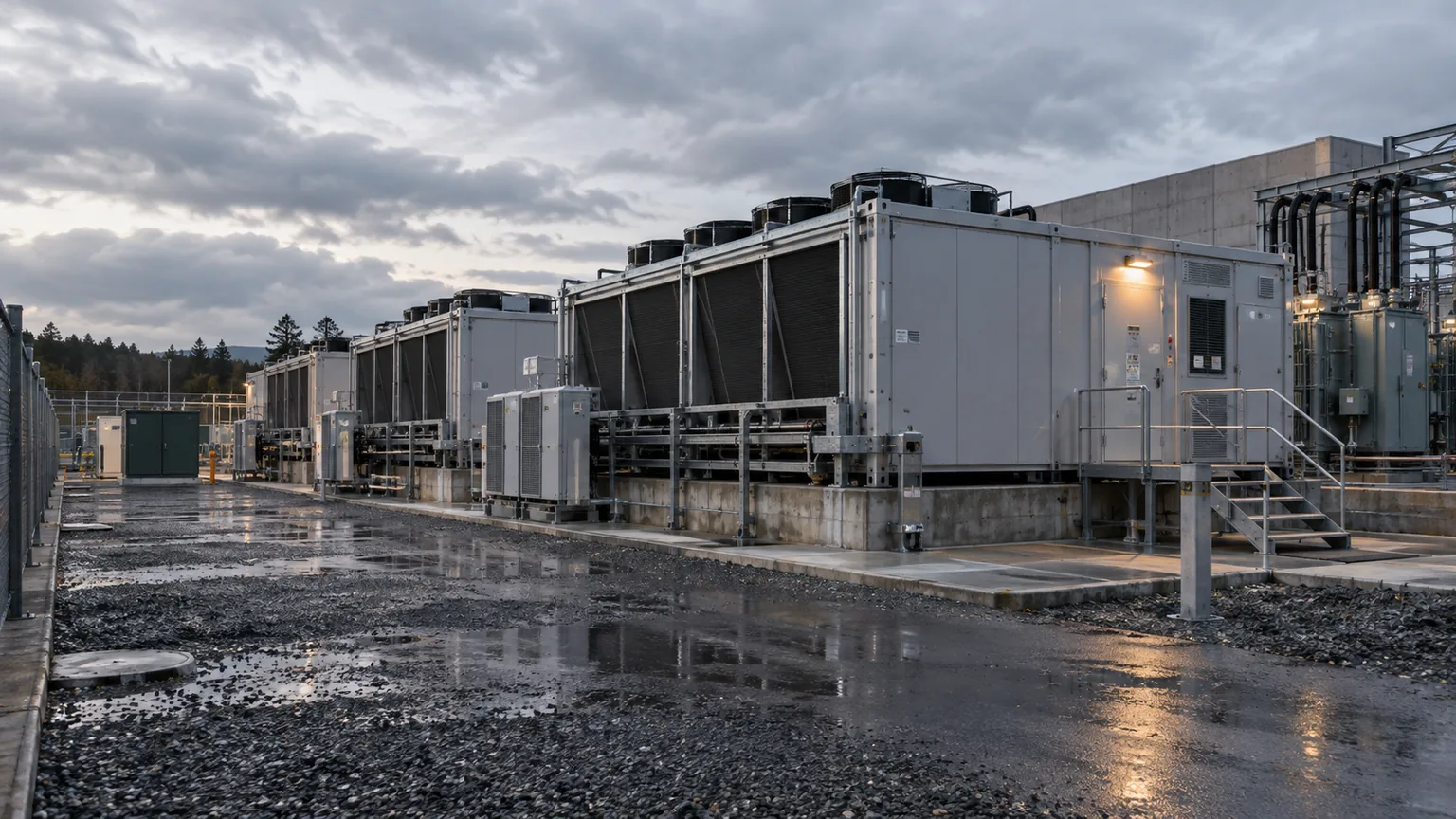
Coordinate modular, containerized and edge infrastructure builds through factory-to-field handoffs, rack-ready fit-out and repeatable acceptance records.